Religion Font: A Handwritten Typeface for Editorial Design
Fonts play a crucial role in shaping the visual tone and readability of any publication. Whether you're crafting a blog post, designing a magazine cover, or putting together an ebook, choosing the right typeface can elevate your content from functional to unforgettable. Religion is a delicate handwritten font that brings warmth, character, and a touch of personality to editorial design. Its unique style makes it ideal for use in titles, headers, quote graphics, and branding elements where a human touch adds value.
The Visual Character of Religion
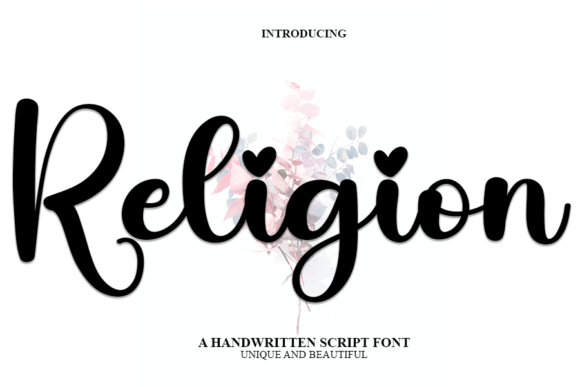
Religion exudes a soft, elegant energy with its fluid strokes and organic flow. As a script amp font, it strikes a balance between artistic flair and legibility, making it more versatile than many other handwritten fonts. The letters are carefully crafted to maintain clarity while still offering a distinct typographic voice—perfect for readers who want something visually engaging without sacrificing readability. It's not overly ornate, which means it won’t distract from the message but will instead enhance the mood of your content.
Editorial Applications
This typeface finds its home in a variety of editorial settings. For bloggers and content creators, using Religion as a header font on lifestyle or food blogs can add a personal, inviting feel to your posts. In magazines, it works beautifully for pull quotes or chapter openers, especially when paired with clean body text. Ebook designers can leverage Religion for title pages or section headings, helping to create a memorable first impression. Newsletter writers might choose it for feature highlights or signature lines, giving their communication a more thoughtful aesthetic.
Publication Branding and Identity
When it comes to building a brand identity, typography is one of the most subtle yet powerful tools at your disposal. Religion can help establish a cohesive visual language across all your design assets—from website headers to social media graphics. Its consistent rhythm and balanced proportions make it suitable for logo design and packaging design, particularly for niche markets like wellness, culinary arts, or creative coaching. Using this font consistently reinforces your brand’s personality, helping readers recognize your work instantly.
Readability Across Platforms
One of the standout features of Religion is how well it adapts to different mediums. On screen, its smooth curves and generous spacing ensure it remains legible even at smaller sizes. When exported to PDFs or used in print, the font retains its elegance and doesn't compromise on quality. This adaptability is essential for anyone creating content that needs to look great both digitally and physically. Mobile layouts also benefit from its clean design, as it avoids the clutter that often plagues overly stylized scripts.
Font Pairing for Maximum Impact
While Religion shines as a display font, pairing it with a solid serif or sans serif font is key to maintaining editorial balance. For blog headers, consider combining it with a minimalist sans serif like Montserrat or Lato for body copy. In digital magazines, it pairs well with Georgia or Merriweather for a more traditional layout. For recipe ebooks or wedding guides, a warm serif such as Playfair Display or Cormorant complements Religion’s gentle character perfectly. These pairings allow you to highlight the creativity of your headlines while keeping the rest of your content accessible and easy to read.
Commercial Use and Licensing
If you're planning to use Religion in client projects, paid newsletters, lead magnets, or digital downloads, it’s important to check the font’s commercial licensing terms. Many premium fonts offer flexible options depending on usage scope, so understanding what you can and cannot do ensures compliance and protects your reputation as a professional designer. Always confirm whether the license covers web embedding, printables, or multi-user environments before incorporating it into your workflow.
Practical Examples in Action
- Lifestyle Blog: Use Religion for blog post titles and featured headers to create a welcoming and curated feel.
- Recipe Ebook: Apply it to chapter titles and headings to evoke a sense of craftsmanship and authenticity.
- Wedding Guide: Feature it in invitation designs, welcome pages, or romantic pull quotes to match the event’s emotional tone.
- Coaching Workbook: Let it stand out in section headings or motivational quotes to inspire action and connection.
- Digital Magazine: Integrate it into issue covers or article intros to set a stylish and approachable tone.
- Printable Planner: Add it to page headers or decorative accents for a modern yet personal aesthetic.
- Creator Newsletter: Use it sparingly in highlighted sections or author bios to build a stronger visual personality.
Design Considerations for Long-Form Content
Though Religion is excellent for attention-grabbing headlines and short-form text, it's not recommended for long reading passages. Its handwritten nature introduces slight variations in letterform that can become tiring over extended paragraphs. However, it excels in accent typography, such as subheadings, sidebars, or call-out boxes. These strategic placements allow it to guide the reader’s eye through the content without overwhelming them.
Why Choose Religion?
In a world of templated content and cookie-cutter designs, Religion stands out by offering a fresh take on script typography. It supports the growing trend toward modern typography that feels both authentic and refined. Its subtle details and harmonious structure make it a favorite among editorial designers looking to inject emotion into their layouts without compromising professionalism. Whether you’re working on a personal blog or a high-end client project, this creative font adds just the right amount of personality.
Exploring Additional Styles and Features
Before finalizing your layout decisions, take a moment to explore the included styles and alternates within the Religion font family. Some handwritten fonts come with alternate characters and ligatures that can be used to customize the look further. If multiple weights are available, these can help reinforce visual hierarchy across your publications. Additionally, check for multilingual support if your audience spans beyond English-speaking regions. These small details can significantly impact the usability and appeal of your design assets.
Beyond the Basics: Advanced Use Cases
For advanced users, Religion opens up opportunities in content-driven publishing. It can serve as the foundation for a distinctive brand identity, especially in niches like spiritual wellness, artisanal food, or handcrafted products. When integrated into a digital product like a printable planner or course materials, it helps create a sense of care and intentionality. In social media graphics, it adds a dynamic element that encourages shares and engagement. Just remember to always pair it thoughtfully and keep its use purposeful.
A Note on Typography Trends
Handwritten fonts have gained popularity in recent years, thanks to their ability to convey sincerity and creativity. But not all script fonts are created equal. Religion offers a refreshing alternative to the heavily stylized or difficult-to-read scripts that dominate some design spaces. By choosing this font, you align yourself with a more thoughtful approach to editorial design—one that values both form and function.
Final Implementation Tips
To get the most out of Religion, start by defining where it fits best in your design system. Limit its use to key visual components like logos, headers, and quote graphics. Avoid applying it to menus, footnotes, or navigation bars where clarity is paramount. Also, test it on various devices and platforms to ensure it maintains its charm and functionality across formats. And don’t forget to evaluate its compatibility with other design elements—like color schemes and imagery—to create a unified look.
With its blend of elegance and approachability, Religion is more than just a font—it’s a tool for storytelling. Whether you're designing for print or digital, it has the potential to transform your content into something truly special. So next time you're setting up a new publication or revamping your brand visuals, consider how Religion can bring a quiet confidence and artistic flair to your work.