Ringheart Typeface: A Fresh Script Font for Modern Branding Projects
Every now and then, I come across a font that just feels right. It doesn’t shout, it doesn’t demand attention—it simply fits. That’s how I felt when I first opened Ringheart in my design software while working on a new branding project for a cozy, plant-based café. The client wanted something warm, inviting, yet sophisticated enough to reflect their commitment to quality and sustainability. As I started sketching out ideas on the brand board, Ringheart stood out as the perfect choice. Let me walk you through why this script font could be a game-changer for your next creative endeavor.
A Smooth Blend of Classy and Contemporary
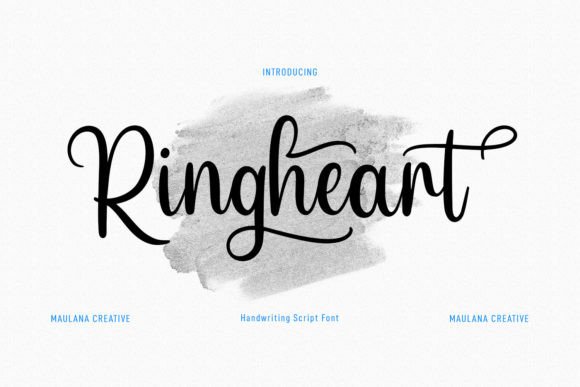
Ringheart is a signature-style script font with a modern twist. Its curves are soft but intentional, giving it a handcrafted feel without losing legibility. You can tell it was inspired by calligraphy, but instead of feeling old-fashioned, it breathes fresh life into the classic style. This balance between elegance and approachability makes it incredibly versatile. I’ve used it in both editorial layouts and logo mockups, and each time, it added a layer of personality that just worked.
The letters have a natural flow that mimics real handwriting, which gives them warmth and authenticity. But unlike many other script fonts, Ringheart avoids being overly decorative or hard to read. That’s a big win for designers who want to maintain clarity while still adding visual interest. It’s not about looking fancy for the sake of it; it’s about creating a connection with the viewer through thoughtful typography.
How I Used Ringheart in a Real Café Branding Project
I began with a simple logo concept—just the name of the café in a clean layout. I had tried a few more traditional scripts, but they either looked too formal or too loose. Then I gave Ringheart a try. Immediately, the mood shifted. The font brought a sense of charm and confidence that aligned perfectly with the brand’s values. I loved how it softened the edges of the logo without making it look unprofessional.
Next, I moved to packaging mockups. For product labels like their coffee bags and tea tins, I paired Ringheart with a minimalist sans serif. The contrast helped create a strong visual hierarchy, where the headline (in Ringheart) invited curiosity and the supporting text remained clear and easy to digest. On a sticker label, the font’s subtle variations in stroke weight made it pop without overwhelming the design.
Designing for Different Touchpoints
One of the things I appreciate most about Ringheart is how well it adapts across various media. In digital formats like Instagram posts and website headers, it adds a touch of class without becoming lost in small sizes. I tested it at 40px on a hero banner, and it retained its character and readability. For printed materials such as business cards and signage, it delivered a tactile, elegant vibe that matched the café’s aesthetic.
On posters and flyers advertising seasonal specials, Ringheart played a key role in drawing the eye. I used it for short phrases and taglines, letting the script speak for itself. It didn’t need any extra embellishments or graphics to make an impact. Just a few well-placed words in Ringheart were enough to convey the café’s welcoming and stylish personality.
Font Pairing and Design Balance
Script fonts can be tricky to pair because they often dominate the visual space. With Ringheart, I found it worked beautifully with both serif and sans serif typefaces. For a more refined look, I paired it with a light-weighted serif font in body copy. The result was a harmonious blend—warmth from the script and structure from the serif. For a younger, trendier audience, I switched to a geometric sans serif, which gave the brand a modern edge while keeping the core identity grounded in Ringheart’s charm.
If you’re using another script font alongside Ringheart, be careful not to clash. Stick to one script as the primary typeface and use others sparingly if at all. Ringheart’s unique rhythm and spacing help it stand out even in complex typographic arrangements, so give it room to breathe.
Practical Tips for Testing Ringheart
Before committing to Ringheart in a full brand system, I always do a quick test run. Here’s what I recommend:
- Try it in different sizes: How does it perform in a 12pt logo versus a 72pt poster headline?
- Check multilingual support: If your brand targets multiple languages, ensure Ringheart covers the necessary characters and diacritics.
- Look at alternates and ligatures: These little details can elevate the design significantly. I found the alternates in Ringheart particularly useful for customizing logotypes.
- Test it against background textures: Especially important for packaging and print work. Does it hold up over gradients, photos, or patterns?
- Assess file formats: Make sure it includes OTF and TTF files, depending on your workflow and client needs.
These tests help determine whether the font will truly serve the brand long-term. Ringheart passed every one of mine with flying colors.
When to Use Ringheart in Your Work
Ringheart shines as a display font and headline font. It’s not ideal for large blocks of text, but it excels in short-form applications—logos, slogans, social captions, and titles. I’ve also used it as an accent typeface in brand systems, letting it highlight key elements like names, mottos, or product names. Its ability to feel both personal and professional makes it great for boutique brands, creative studios, or any project that wants to exude warmth without sacrificing polish.
In editorial design, I used it for chapter headings in a wellness magazine mockup. The font introduced each section with a gentle flair, encouraging readers to dive deeper into the content. And on the homepage of the café’s site, Ringheart anchored the hero section, setting the tone for the entire experience.
Readability and Brand Perception
Readability is a concern with many script fonts, but Ringheart handles it well. The letterforms are open and balanced, allowing for easy recognition even at smaller sizes. When used correctly, it enhances the brand’s perception by suggesting creativity, thoughtfulness, and a human touch.
What I noticed during the project was how quickly the brand became recognizable. Whether it was on a bag of roasted beans or a window sign, the use of Ringheart helped establish a consistent and memorable visual identity. Clients responded positively to the font’s approachable yet premium look—it felt trustworthy and distinctive.
Commercial Use and Licensing Considerations
For anyone planning to use Ringheart in client projects, especially for logos or packaging, it’s essential to confirm commercial licensing. I reached out to the font provider early on to understand the terms, and once I had the go-ahead, I confidently integrated it into the brand assets. Knowing the licensing rules upfront saves time and ensures there are no surprises later on.
The font comes with a range of included styles and weights, which is helpful for maintaining consistency across brand materials. While it’s not a multi-weight family, the available options are sufficient for most branding needs. I also appreciated the presence of stylistic alternates—they allowed for subtle customization in the logo without compromising the overall feel.
Why I Recommend Ringheart for Branding
Branding is about more than just aesthetics; it’s about creating an emotional response. Ringheart does that effortlessly. It’s not a font you’ll reach for in every project, but when it fits, it really fits. I’ve used it for several clients since the café project—everything from a handmade soap line to a local yoga studio—and each time it has contributed to a more cohesive and appealing identity.
It works especially well for businesses that want to feel personal but remain professional. Think skincare brands, artisanal food shops, lifestyle startups, or any service-oriented company aiming for a friendly, upscale image. The font supports a wide range of creative applications, from digital templates to merchandise like mugs and tote bags. It holds up beautifully in print and online, which is crucial for a modern brand that exists in both spaces.
One thing I learned is to avoid overusing it. Like any good display font, Ringheart should be used intentionally. Too much and it loses impact; too little and the design misses out on its potential. I usually reserve it for headlines, logotypes, and key brand messaging, while pairing it with a more neutral font for body copy.
Real-World Observations
Here are a few specific places where Ringheart performed well in the café project:
- Logo Design: Clean, minimal, and expressive. The font’s unique characteristics helped the logo stand out among competitors.
- Packaging Mockups: Added a hand-crafted feel to product labels, making the items appear more artisanal and high-quality.
- Social Media Graphics: Looked great in Instagram banners and story headers. It felt authentic and aligned with the brand’s voice.
- Printed Materials: Business cards, menus, and signage all benefited from the font’s legible yet stylish presentation.
Each application reinforced the brand’s identity in a way that felt cohesive and intentional. The font didn’t distract; it enhanced the message.
Final Takeaways for Creative Projects
After using Ringheart in several branding projects, here’s what I’ve learned:
- It’s best suited for short-form text and display usage.
- Its modern calligraphic style bridges the gap between handwritten and polished design.
- It pairs well with clean, structured fonts to maintain balance and readability.
- It’s a strong candidate for logo fonts, especially in industries that value craftsmanship and community.
- Always check the licensing to ensure it aligns with your project scope.
If you're working on a brand that needs a bit of soul, Ringheart might just be the typeface you’re looking for. It’s not flashy, but it’s far from forgettable. It brings a quiet confidence to the table, and that’s exactly what today’s audiences respond to.
So next time you’re opening a blank brand board and wondering which font to choose, consider Ringheart. You might just fall in love with it too.